01
Plan
Planning, design, permits and procurement are secured before work begins on site.
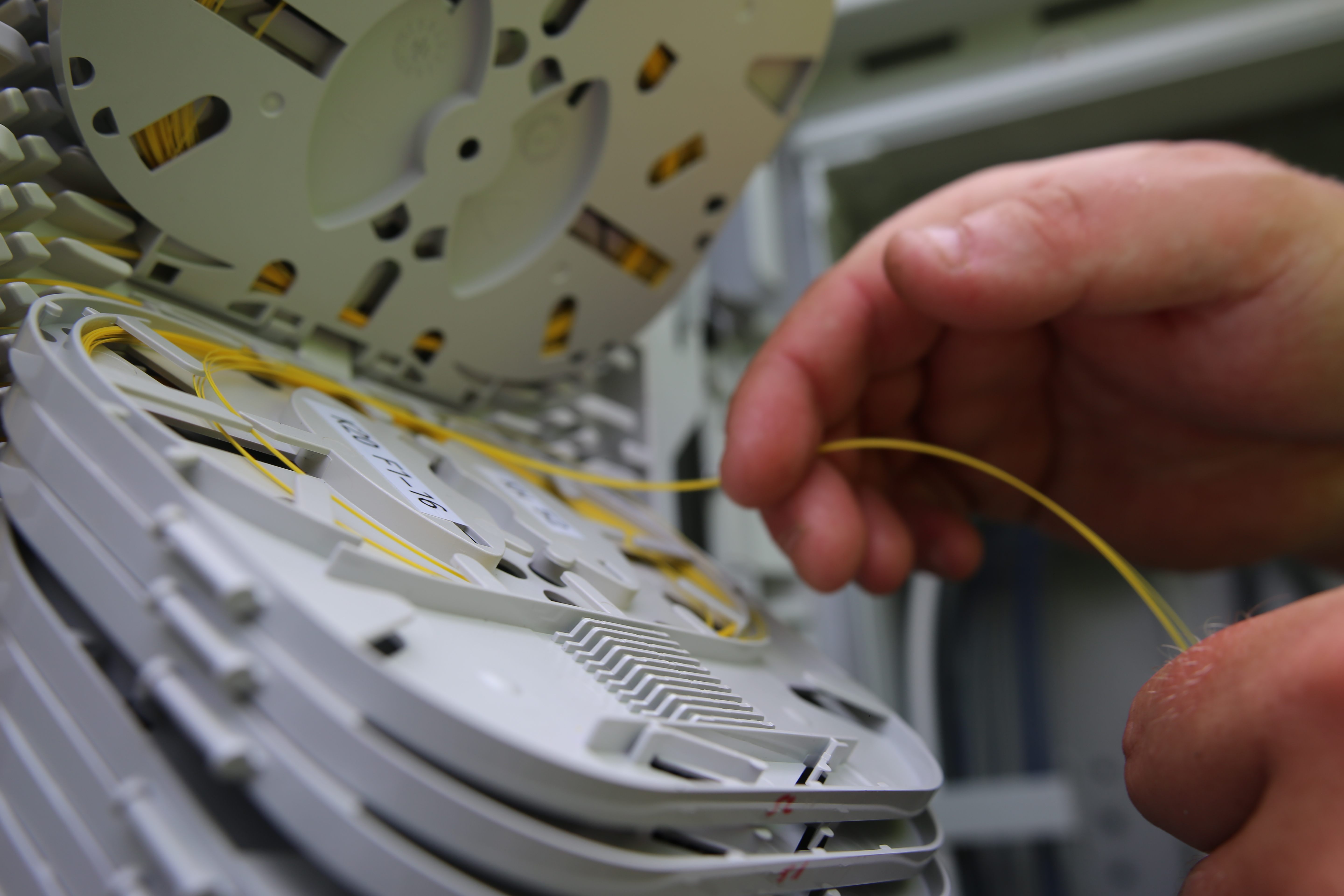
Our process is designed to reduce surprises, clarify responsibility and minimize rework — from planning and field execution to final documentation.

Planning, design, permits and procurement are secured before work begins on site.
Civil works and fiber installation are coordinated for safe, efficient execution in real-world conditions.
Testing, documentation and final handover verify quality and close the project with confidence.
Every project follows a proven sequence — keeping execution controlled, coordinated and predictable.
We define project scope, technical requirements and site conditions to establish a clear path to execution.
Routes, specifications, resources and construction methods are engineered for efficient and reliable delivery.
Required permits and approvals are secured in coordination with authorities, municipalities and property owners.
Cables, ducts, cabinets and installation materials are planned, sourced and scheduled for reliable site delivery.
Sites are prepared through trenching, microtrenching, directional drilling and other required civil works.
Fiber infrastructure is installed, spliced, terminated and configured in accordance with the approved design.
Every connection is tested and verified to ensure performance, quality and compliance before handover.
Final documentation, project handover and ongoing support ensure long-term network performance.
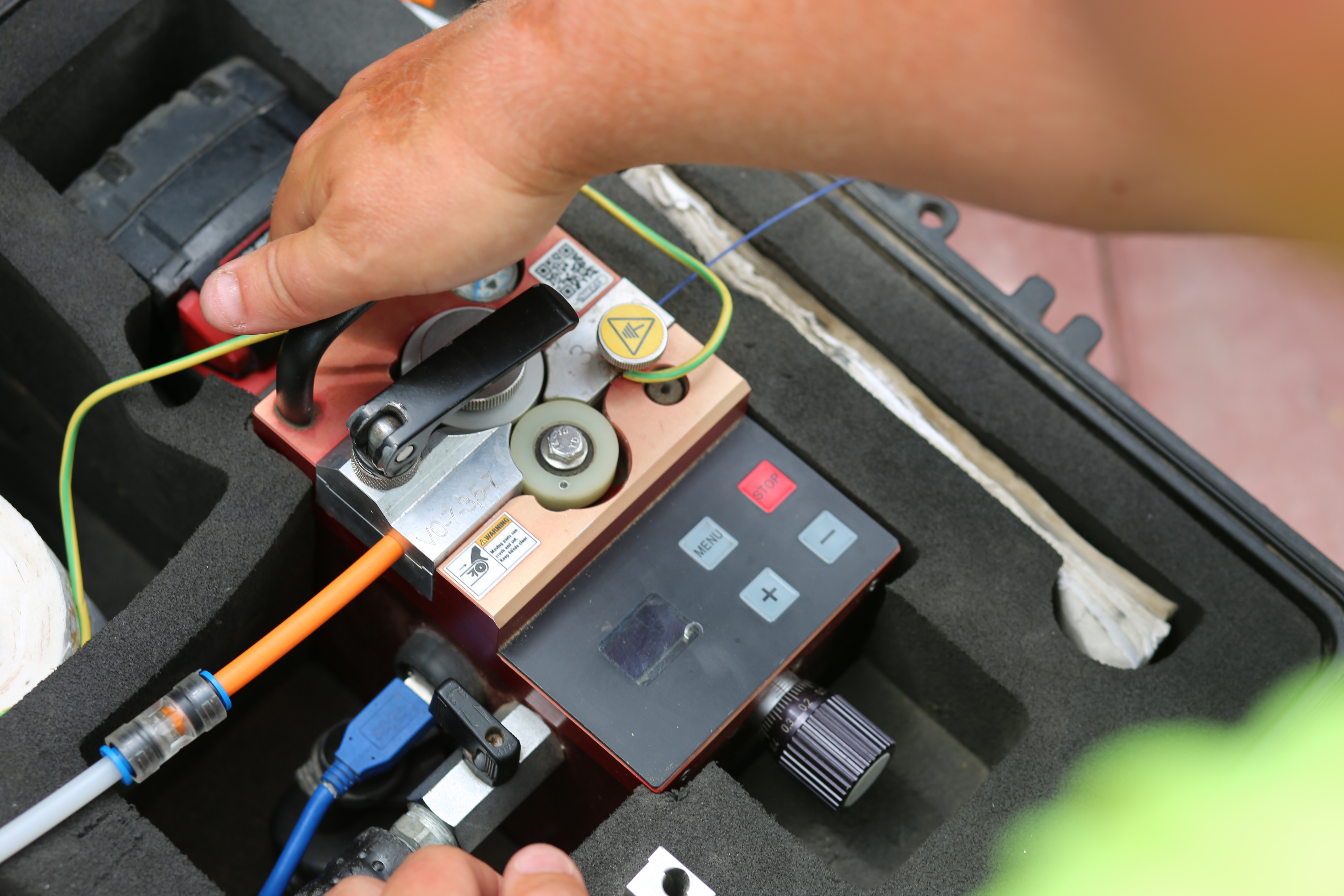
We measure, document and quality-assure every delivery through clean cable routing, verified optical performance and documentation that gives operators full control of their networks.